
Company Culture Audit
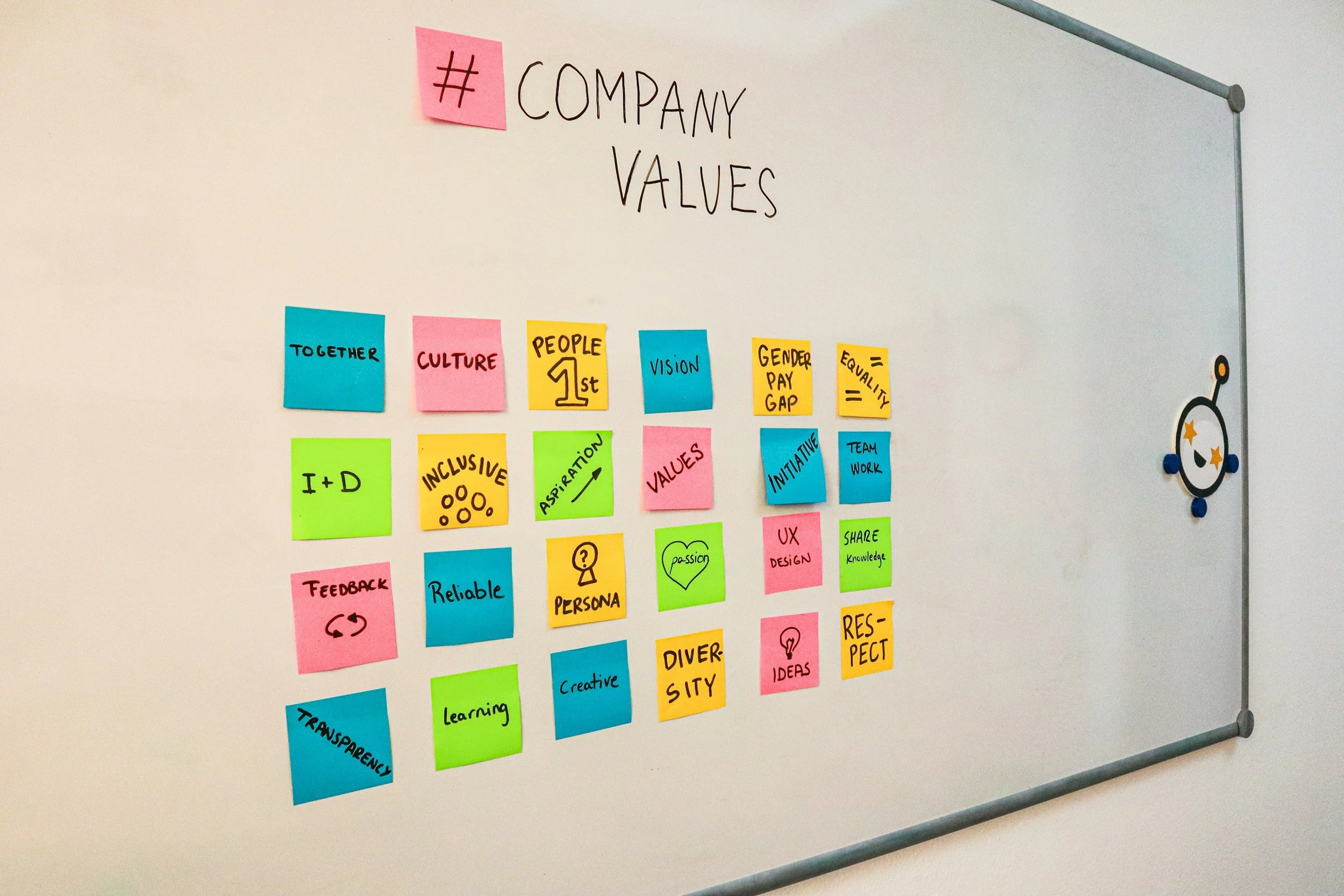
Culture isn't what's written on the wall. It's what's said in the hallway when no one's watching.
Culture isn't what's printed on the wall. It's what people say about your company when the boss isn't around. It's the conversation in the parking lot, the text to a spouse at lunch, the tone that shows up the moment leadership leaves the room.
Most leaders believe their culture is healthy because they wrote good values or ran an engagement survey once. But values on a wall aren't culture. Behaviors in the hallway are culture. And if you've never audited it, you probably don't actually know what it is.
Ask most leaders "is your culture healthy?" and the answer comes fast: "our people love working here," "we have strong values." Ask the follow up question, "how do you know?" and things slow down. Did someone measure it? Or are we just assuming?
Organizations measure revenue, productivity, and performance obsessively. Culture rarely makes the list. It gets left to interpretation, and interpretation isn't a reliable leadership strategy. Gallup's research consistently shows only about a third of employees feel engaged at work. That gap exists because leaders experience culture from the conference room, while employees experience it on the front lines. Two very different realities.
Great organizations audit culture the same way they audit finances.
Here are five ways to do it.
1. The Parking Lot Test
Every organization has an official culture (what leadership says) and an experienced culture (what employees actually feel). You can't eavesdrop in the parking lot, but you can bring that honesty inside. Ask two or three trusted employees what people say about the culture when leadership isn't around. Listen for repeated complaints. And make clear that honesty won't create problems for the person sharing it.
2. The Meeting Test
Google's Project Aristotle studied 180+ teams and found that talent mattered less than psychological safety, whether people felt safe to speak up, admit mistakes, and ask questions. In your next few meetings, watch who actually talks, how ideas get received, and what happens when someone disagrees. If meetings feel like presentations rather than conversations, that's a signal.
3. The Mistake Test
Look back at your last three significant mistakes. Were they surfaced quickly or hidden until they couldn't be ignored? Did leadership focus on understanding and improving, or on assigning blame? Did the team document the lesson, or just move on? Healthy cultures treat mistakes as opportunities to improve. Unhealthy ones treat them as threats to avoid.
4. The Promotion Test
Promotions reveal what your organization actually rewards, not what it claims to value. Review your last 10 to 15 promotions and identify the traits behind each one. Do they reflect teamwork, innovation, and your stated values? Or mostly tenure, visibility, and individual performance? Employees already notice the pattern. This test just helps you see it too.
5. The Exit Interview Test
Departing employees have nothing to lose, which makes them some of the most honest sources you have. Pull your last 10 to 15 exit interviews and look for recurring themes rather than individual complaints. Repeated mentions of burnout, poor communication, or leadership inconsistency point straight at your blind spots.
Your Challenge
Pick one team. Run all five tests. Then ask yourself what surprised you, what patterns you didn't expect, and what it reveals about the actual health of your culture.
Once you can see your culture honestly, you can finally lead it intentionally, instead of just hoping it's fine.
FREE RESOURCE
Download the Quiet Culture Audit eBook to help walk you through the process.